Commuters face bus replacements as major track closures begin
Train services across south-east Queensland have been replaced by buses for a three-week period starting on Good Friday. The closures, which run from April 3 to April 26, affect multiple lines including those serving Bowen Hills and the inner-city suburbs.
Translink officials warned that travel times could double during this disruption as “critical works” proceed on the rail network. The ABC reported that thousands of passengers are facing delays as more people turn to public transport amid a state-wide fuel crisis.
Scope of the disruption
The track closures impact the Sunshine Coast, Caboolture, Redcliffe, Doomben, Shorncliffe, Airport, Gold Coast and Beenleigh lines at different times. Buses have replaced trains between Boggo Road and Banoon, as well as between Bowen Hills, Eagle Junction and Northgate. The ABC noted that buses also replaced trains between Caboolture and Gympie North.
Over the Easter Long weekend from April 3 to April 6, most lines operated to a weekend and public holiday timetable. The Gold Coast and Beenleigh lines were exceptions to this schedule. From April 7 to April 10, all lines ran to a special weekday timetable featuring 15-minute peak services for some routes.
Minor impacts were recorded for the Ipswich and Cleveland express services during this period. From April 11 to April 26, lines returned to a weekend timetable with some exceptions. The Gold Coast and Beenleigh lines remained on a different schedule during this final phase.
Reasons for the closures
The government emphasised that the closures allowed for several projects to be undertaken safely and efficiently. These projects include Cross River Rail supporting works, which are due for operational completion in 2029. The Cross River Rail Delivery Authority website confirms the project includes a new 10.2km rail line with 5.9km of twin tunnels.
Other works include the Beerburrum to Nambour Rail Upgrade Stage 1, scheduled for completion in 2027. The Logan and Gold Coast Faster Rail project also required access to the tracks. The Queensland Train Manufacturing Program and European Train Control Systems (ETCS) installation were part of the scope.
General track maintenance formed a significant portion of the work undertaken. Translink stated that the works would expand the rail network. Acting head of Translink Dean Helm said that conducting this work over the school holiday period reduced the impact as fewer customers travelled on the network at this time.
Historical context of rail upgrades
Cross River Rail represents one of the most significant infrastructure projects in the region’s history. The project aims to unlock a bottleneck at the core of the transport network. The Cross River Rail Delivery Authority manages a new above-ground station at Exhibition and a rebuild for seven stations between Dutton Park and Salisbury.
Construction of three new stations on the Gold Coast and two new train stabling facilities is also underway. A new world-class signalling system is being installed across the network. The project involves construction at sixteen worksites across South East Queensland.
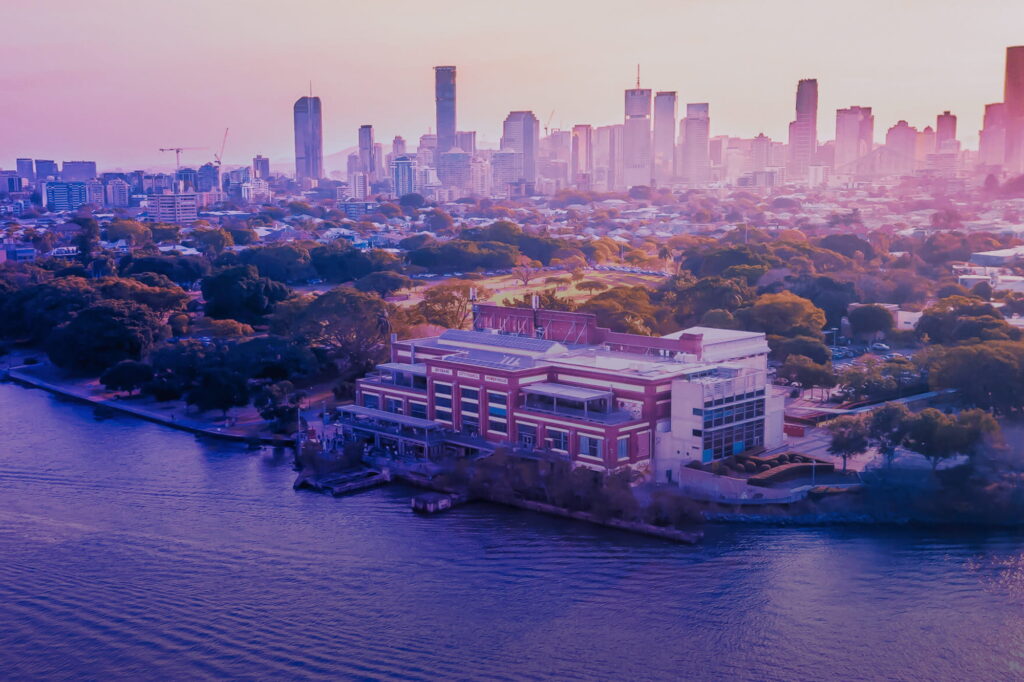
The four new underground stations at Boggo Road, Woolloongabba, Albert Street and Roma Street will feature 14 artworks. These pieces are by some of Queensland’s most renowned indigenous artists. The Cross River Rail Experience Centre in partnership with the Queensland Museum provided detailed project information to the public.
Previous rail projects in the area have faced similar temporary disruptions to facilitate long-term gains. The authority noted that while the project will transform travel in the future, significant construction needs to take place now. This means changes to access to roads, footpaths and public transport services occur from time to time.
Impact on Bowen Hills and local residents
Commuters in Bowen Hills faced immediate changes to their daily routines. The station sits on a critical junction for many lines affected by the closures. Residents travelling from the north or south had to navigate bus replacements between Boggo Road and Banoon. The ABC reported that buses replaced trains between Bowen Hills, Eagle Junction and Northgate.
Travel times were expected to double for many passengers. This extended duration placed additional pressure on workers and students in the inner-city suburbs. The disruption coincided with a fuel crisis, forcing more people onto public transport. Transport Minister Brent Mickelberg stated that the disruption was necessary to deliver rail projects on time and on budget.
Opposition leader Steven Miles criticised the decision to proceed with mass track closures. He argued that the move could hurt Queenslanders’ hip pockets. Miles claimed that Premier David Crisafulli was forcing commuters onto the road at a time when they could not afford fuel. He questioned if there was a solution where works could occur without a fuel affordability crisis.
Events and special services
AFL and NRL fans needed to plan ahead for games during the closure period. Additional bus services were added for the NRL’s Broncos–Titans Easter Saturday Queensland Derby at Robina Stadium on April 4. The two games at Lang Park required fans to use the Translink app to find the best route.
The Broncos–Cowboys match on April 10 and the Broncos–Bulldogs clash on April 24 fell within the disruption window. For Anzac Day dawn services, extra early morning train services ran on all lines into Central Station. Buses replaced trains between Banoon and Central for these events.
The Brisbane Lions match against the Adelaide Crows at the Gabba on April 26 also required planning. Additional bus services were employed to manage the crowd. The Gold Coast Suns match against Essendon on April 18 at Carrara Stadium saw similar logistical adjustments.
Luggage and mobility rules
The usual travel rules applied to the replacement buses. Bikes and personal mobility devices were not permitted on the services. If a bike could be folded in a bag no bigger than 90x70x36 centimetres, it could travel on any service. Luggage was allowed onto services if there was enough space.
Translink advised commuters to check the journey planner before travelling. All schedules were available in the planner. The agency urged people to plan their journey ahead of time to avoid unexpected delays. Nightlink trains did not run during the peak of the closures.
Next steps for the network
Lines are scheduled to return to a weekend timetable from April 11 to April 26. Some exceptions remain for the Gold Coast and Beenleigh lines. Commuters are urged to use Translink for planning as the network stabilises.
The government maintains that the work is essential for the safety of rail workers. Minister Mickelberg stated that leaving the rail line open would put rail workers at risk. The project aims to increase train services as the population grows. Public transport is intended to become a more viable option for the whole region.
Future updates on the Cross River Rail project will be released as the 2029 operational completion date approaches. The new stations are expected to ease congestion on roads across south-east Queensland. The project presents opportunities for urban renewal and precinct development at major station locations.
Sources
- https://www.abc.net.au/news/2026-03-30/queensland-train-track-closures-fuel-crisis-april-easter-weekend/106512928
- https://crossriverrail.qld.gov.au/
- https://translink.com.au/updates/1013026