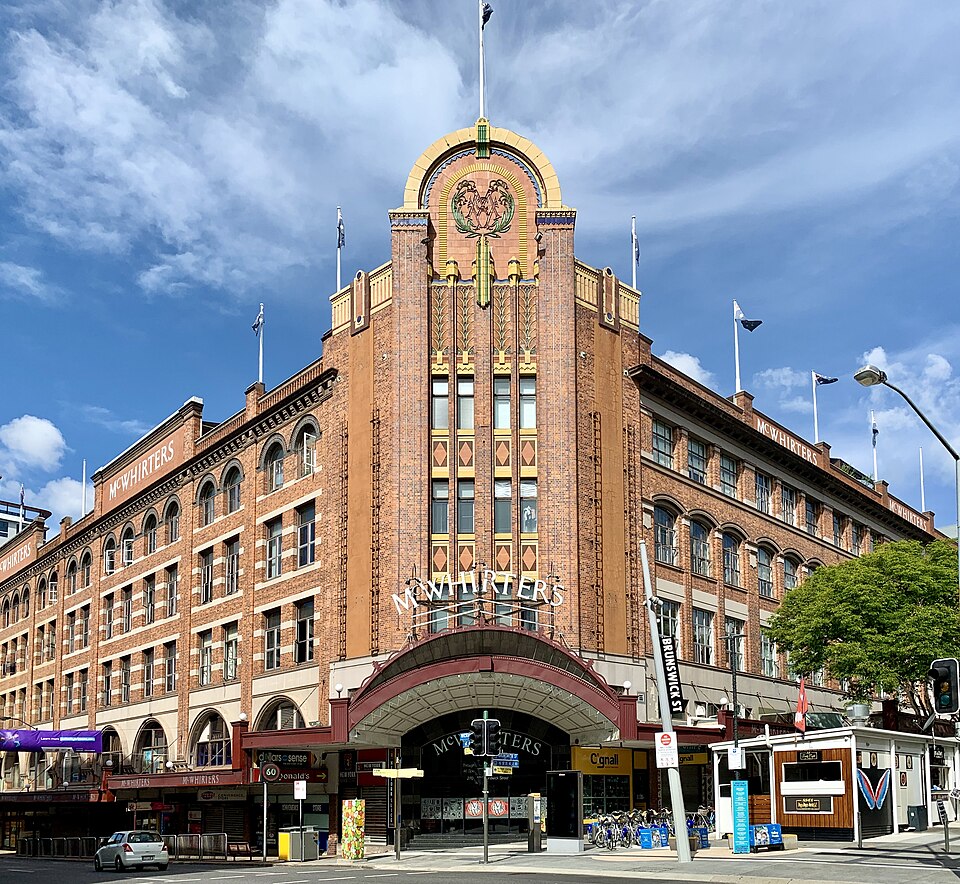
Food safety star ratings released for New Farm and Newstead eateries
Local councils in New Farm and Newstead have recently revealed the latest food safety star ratings for the suburbs’ extensive dining scene. The results highlight a mix of outstanding hygiene compliance and areas where businesses still need to improve their standards.
These ratings form part of a broader national shift towards transparency in the foodservice industry, moving from punitive measures to positive recognition for safe operators.
Voluntary disclosure and the “Scores on Doors” approach
According to Hospitality Magazine, councils and food authorities across Australia are increasingly adopting “Scores on Doors” programs. These initiatives focus on publicly recognising outstanding food safety compliance rather than simply shaming poor performers. The goal is to lift awareness among both diners and business owners.
The current system in Queensland operates on a voluntary basis. This means that if a restaurant achieves a low score, such as a two-out-of-five rating, they are not required to display it on their door. Only businesses that achieve high marks typically choose to advertise their success.
This voluntary approach contrasts sharply with mandatory systems seen elsewhere. In Wales, the government has enforced a compulsory rating system. Northern Ireland is also set to implement a mandatory regime to ensure all establishments display their hygiene grades.
The distinction between culinary quality and food safety
A critical insight from international data reveals that high culinary acclaim does not guarantee top-tier food safety. Research by the UK Food Standards Agency (FSA) found that Michelin-starred restaurants generally rank lower on hygiene scales than familiar high street chains.
Dec 2015 data from the FSA showed that 83% of high street chains achieved the best rating of five out of five. In comparison, only 55% of Michelin-starred establishments reached this top tier. This suggests that fancy food is not always safe food, as safety and quality are measured by entirely different criteria.
Bruce Poole, owner of the Michelin-starred restaurant Chez Bruce in Wandsworth, explained the difficulty for high-end venues. He noted that unlike chains with restricted menus, his restaurant handles up to 70 different fresh items daily. He cited a specific instance where his rating was downgraded because he could not prove that certain fish had been frozen at the correct temperature.
Historical context of food safety regulation
The issue of food safety and hygiene in Australia has maintained a high profile for years. Any story of food poisoning or a business breaching laws guarantees the topic remains in the spotlight. Historically, authorities have relied on a “name and shame” register to enforce compliance.
However, the landscape is shifting. A year-long trial of a voluntary “Scores on Doors” program in New South Wales concluded in August of a previous year. Early reports from stakeholders indicated the trial was successful in lifting awareness and improving compliance among foodservice businesses.
At a federal level, the Food Regulations Standing Committee, a joint Australian and New Zealand body, is currently working on developing a national approach for food safety disclosure. This aims to standardise how safety information is presented to the public across different states and territories.
International examples provide a roadmap for potential future changes. Cities like Toronto, Los Angeles, and New York City have all implemented mandatory disclosure of restaurant inspection grades. These systems ensure that diners can make informed decisions before entering a premise.
Impact on New Farm and Newstead residents
For residents and visitors in New Farm and Newstead, the voluntary nature of the current system creates a gap in information. As noted by Simon Blackburn, a councilor in Blackpool, it is not always easy for people to judge hygiene standards simply by walking through the front door of a premise.
Diners in these inner-city suburbs often assume that a bustling, popular venue is safe. Without a mandatory sticker on the door, a business with a low hygiene rating can operate without the public knowing the potential risk to their health.
The lack of visible ratings can also disadvantage honest businesses that maintain high standards. An FSA spokesperson previously stated that a compulsory system would be better for consumers. It would also benefit businesses that achieve good standards by giving them more recognition.
Economic and community implications
The economic impact of these ratings extends beyond immediate health outcomes. In New Zealand, a similar voluntary health star rating scheme for packaged foods has been in place since 2014. A modelling study by Dr Cristina Cleghorn from the University of Otago found that the voluntary scheme led to minimal health gains.
The study estimated that the scheme reduced sodium intake by only 18 milligrams per person per day. The net cost to the health system was $8.4 million, including governance, monitoring, and social marketing. This high cost for low return highlights the limitations of voluntary compliance.
Professor Cliona Ni Mhurchu from the University of Auckland noted that if the scheme were made mandatory, health gains would increase significantly. Mandatory application across all eligible products could save the health system $568 million. This economic argument suggests that mandatory food safety ratings could similarly benefit local economies by preventing illness and reducing healthcare costs.
In New Farm and Newstead, where the hospitality sector is a major economic driver, the distinction between safety and quality is vital. Businesses that struggle with the complexity of handling diverse fresh ingredients, as described by Bruce Poole, may face reputational damage if their lower scores were publicly displayed.
Future steps and public consultation
The debate over mandatory versus voluntary disclosure continues to evolve. The Food Standards Agency in the UK has expressed a strong preference for making the system compulsory in England. They believe this change will increase the spotlight on businesses not meeting the required grade.
Residents in Brisbane’s inner city should watch for updates from the Food Regulations Standing Committee. Their development of a national approach could fundamentally change how food safety information is displayed in local cafes and restaurants in the coming years.
Until a mandatory system is introduced, the current “Scores on Doors” initiative remains a tool for positive reinforcement. Businesses in New Farm and Newstead are encouraged to display their high ratings to build trust with their local community.